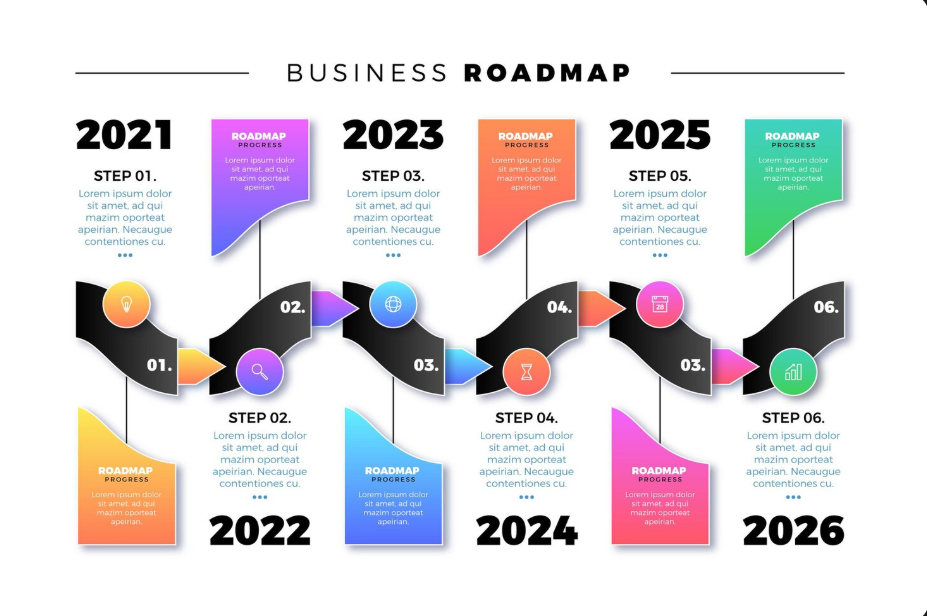
In an era of rapid technological change, having a clear technology roadmap is no longer optional — it is essential for business survival and growth.
The Technology Imperative
Technology is no longer just a support function — it is the core of modern business. Companies that fail to align their technology strategy with their business goals are falling behind at an accelerating pace. A well-crafted technology roadmap provides the direction needed to navigate this complexity.
Components of an Effective Technology Roadmap
A good technology roadmap covers your current state assessment, desired future state, the gap between them, prioritized initiatives to close that gap, resource requirements, and timeline. Without all these components, you are flying blind.
Current State Assessment
Before planning where you are going, you must understand where you are. Audit your existing systems, infrastructure, team capabilities, and technical debt. Be honest about weaknesses — they will not disappear on their own.
Emerging Technologies to Watch
In 2026, artificial intelligence, edge computing, Web3 applications, and quantum computing are reshaping industries. Your roadmap should account for these technologies where relevant to your business model.
Aligning Tech with Business Goals
Every technology investment should link back to a specific business outcome — increased revenue, reduced costs, improved customer experience, or competitive advantage. If you cannot make this link, question whether the investment is justified.
Implementation Strategy
Adopt an agile approach to your technology roadmap. Plan in 90-day sprints, review and adjust quarterly, and maintain flexibility to adapt to market changes. The roadmap is a living document, not a fixed plan.
Conclusion
A technology roadmap is your strategic compass in an increasingly digital world. Invest the time to build one properly, and it will pay dividends for years to come.